Skip to content

What Are the Top Energy Storage Solutions in China?

China has become a critical testing ground for energy storage solutions, driven by renewable expansion, grid modernization, and industrial policy. The National Energy Administration reported that China’s new-type energy storage capacity exceeded 31 GW by the end of 2023. Most projects used lithium-ion batteries, although compressed air, flow batteries, and thermal storage are gaining attention. These figures show remarkable speed. They also require careful interpretation.

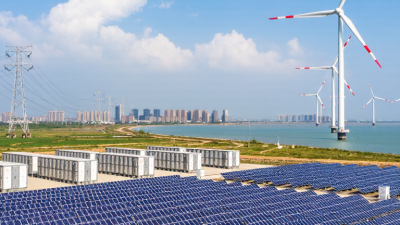
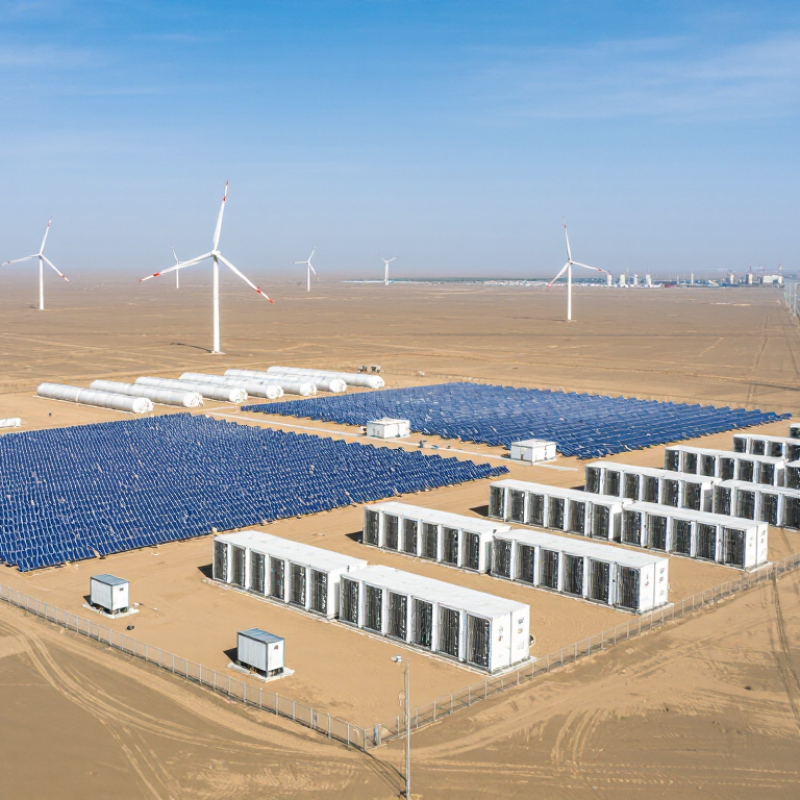
The International Energy Agency’s Batteries and Secure Energy Transitions report identifies China as the dominant force across battery manufacturing and supply chains. Meanwhile, the China Energy Storage Alliance tracks rapid growth in utility-scale projects, especially beside solar and wind farms. This article examines how these technologies work in practical settings, from containerized batteries at desert solar plants to grid-side systems supporting peak demand in coastal provinces. It compares cost, discharge duration, safety, lifecycle performance, and deployment maturity. Not every project delivers the same value.

Recent market reports often use different definitions of “new-type” storage. Some count announced capacity, while others measure commissioned assets. That distinction matters. A large pipeline can look impressive but may not yet stabilize the grid. Therefore, the discussion combines government statistics, international research, and industry evidence. It also recognizes unresolved issues, including battery degradation, recycling capacity, fire protection, and revenue uncertainty. China’s leadership is substantial, but it is not risk-free. The strongest energy storage solutions will be those that remain reliable after the headlines fade.
What Are the Top Energy Storage Solutions in China?

Energy Storage in China: Definition, Role, and Market Context

Energy storage in China means systems that absorb electricity, hold it, and release it when demand or grid conditions change. The category includes pumped-hydro reservoirs, batteries, thermal storage, and compressed-air systems. Each has different costs, operating limits, and response times. Some can respond within seconds. Others store energy for longer periods.

Storage helps balance variable wind and solar output, manage evening peaks, and support grid stability. In China, its role is expanding alongside renewable generation and transmission upgrades. Batteries can serve power stations, industrial sites, and distribution networks.

Pumped hydro often suits larger projects with suitable terrain. That distinction matters. A storage system is not automatically useful just because it is installed.

Market conditions vary by province. Local rules, electricity prices, grid access, and payment structures can shape whether a project earns enough to operate reliably. A battery’s usable capacity may also decline over time, so cycle life and replacement planning matter. Safety, cooling, land use, and recycling deserve attention too. The market is moving quickly, but comparisons can be difficult when projects use different operating assumptions. Some economics remain uncertain. That deserves honest scrutiny.

Main Types of Energy Storage Solutions Used in China

China uses several energy storage technologies because its provinces have different grids, landscapes, and power needs. Pumped-hydro storage moves water uphill when electricity is plentiful, then releases it through turbines during demand peaks. Reservoirs and mountain terrain make this option practical in some regions, but construction takes years and suitable sites are limited. It is built for scale. Battery storage, especially lithium-ion systems, can respond quickly near solar farms, wind bases, or substations. At a containerized site, racks of cells, cooling equipment, and control systems work together to smooth short-term fluctuations. Sodium-ion batteries are also being developed and deployed, though their role remains less established.

Other options serve more specific needs. Compressed-air storage uses electricity to pressurize air in underground spaces or purpose-built vessels, then generates power as the air is released. Thermal storage holds heat in materials such as molten salt, supporting some solar-thermal plants and industrial processes. Flow batteries can suit longer discharge periods, but cost and system complexity matter. Hydrogen can store energy for longer periods, yet conversion losses and infrastructure requirements limit its usefulness for routine grid balancing. A practical caveat: announced capacity does not show how often a system actually cycles. Real performance depends on local dispatch needs, connection capacity, and maintenance. That detail is easy to overlook.

Key Technologies Behind China’s Energy Storage Systems

China’s energy storage systems combine several technologies rather than relying on one universal solution. Lithium-ion batteries respond quickly, making them useful for balancing solar and wind output over short periods. Pumped hydro stores energy by moving water between reservoirs, but it needs suitable terrain and substantial construction. Compressed-air and flow-battery projects offer other options, though their costs and operating needs vary. No single technology fits every grid.

A key part of the system is the control layer. Power conversion equipment manages the flow between batteries and the grid, while energy-management software tracks demand, output, and charge levels. For example, a site can charge batteries when solar panels produce surplus power, then discharge them during an evening peak. The software matters. Still, forecasts can be wrong, and a technically sound design may underperform if local grid conditions are poorly understood. That deserves more attention.

Tips: Match storage duration to the job. Check cycle life, temperature limits, safety systems, and maintenance access—not just capacity. A small detail, such as room for cooling equipment, can affect performance over time. Sodium-ion batteries and thermal storage are also developing, but project results depend on real operating conditions.

Applications Across China’s Power and Industrial Sectors

Across China’s power sector, storage helps balance wind and solar output with changing demand. Grid-scale lithium-ion batteries can respond quickly, supporting frequency control and shifting electricity from sunny midday hours toward evening peaks. Pumped hydropower stores energy by moving water between reservoirs, where geography and construction conditions allow. Compressed-air and flow-battery projects may also suit specific sites. There is no single winner.

Industrial applications look different. A factory can use batteries to reduce short demand spikes, support critical equipment, or make better use of on-site solar. Thermal storage can hold heat or cooling for later use in buildings and process operations. In an industrial park, shared storage may help manage several users’ loads, but metering and dispatch arrangements matter. The equipment alone does not guarantee savings.

Project choices depend on operating schedules, local grid conditions, safety design, and the cost of charging and discharging. A battery sized for brief power interruptions may not cover a long outage. Nor does every renewable-heavy site need the same storage duration. On paper, a system can appear efficient yet remain underused when tariffs or dispatch rules do not match real demand. Operators need to compare actual load curves, not just nameplate capacity.

What Are the Top Energy Storage Solutions in China? — Applications Across China’s Power and Industrial Sectors
Storage Solution Typical Discharge Duration Indicative Round-Trip Efficiency Key Power-Sector Applications Industrial Applications Main Strengths and Considerations
Lithium-ion batteries Commonly 2–4 hours; longer-duration systems are also deployed. About 85–95% for many system configurations. Renewable-energy shifting, grid frequency regulation, peak shaving, and transmission or distribution support. Factory peak-demand management, backup power, and storage paired with on-site solar. Fast response and high efficiency. Performance, safety requirements, and service life depend on cell chemistry, system design, and operating conditions.
Pumped-storage hydropower Typically 6–20+ hours, depending on reservoir capacity and plant design. About 70–85%. Large-scale energy shifting, reserve capacity, and balancing variable wind and solar generation. Indirectly supports energy-intensive industrial regions by providing flexible electricity supply to the wider grid. Established, long-life technology with large capacity. Suitable sites, construction time, water conditions, and environmental considerations can constrain projects.
Flow batteries Often designed for approximately 4–12 hours or more. About 65–85%, varying by chemistry and system design. Longer-duration renewable integration, grid-scale peak shifting, and applications requiring frequent cycling. Multi-hour storage for industrial parks and facilities with substantial, predictable electricity demand. Energy capacity can be scaled separately from power, and some designs support long cycle life. Lower energy density and system cost remain important considerations.
Sodium-ion batteries Often targeted at short- to medium-duration applications, commonly around 2–4 hours. Indicatively about 80–90%, depending on chemistry and system configuration. Stationary storage, renewable-energy support, and applications where supply-chain diversity is valued. Potential use in industrial-site storage and lower-range stationary applications as commercial deployment develops. Sodium is widely available, but commercial maturity, energy density, and project economics vary. Performance figures should be assessed for the specific system.
Compressed-air energy storage Generally suited to multi-hour storage; project designs may provide 4–12 hours or longer. Approximately 40–70% for many configurations; advanced designs may differ. Long-duration grid storage, renewable-energy shifting, and system-level balancing. Can support industrial clusters through grid-level storage where suitable underground or above-ground storage configurations are available. Can provide large-scale, long-duration storage. Efficiency and feasibility depend strongly on design, geology, thermal management, and project location.
Thermal energy storage From several hours to days, depending on the storage medium and application. Not directly comparable: many systems store heat or cold rather than returning electricity. Shifting heating or cooling loads and using surplus electricity to produce stored heat or cold. Industrial process heat, steam supply, district heating, and cooling for buildings or facilities. Can reduce peak electricity demand when matched to a thermal load. Value depends on temperature requirements, insulation, and the availability of a suitable heat or cooling use.
Hydrogen and power-to-gas storage Potentially hours to seasonal durations, depending on storage infrastructure and end use. Typically about 25–45% for electricity-to-hydrogen-to-electricity pathways. Potential long-duration or seasonal energy storage and renewable-power integration. Hydrogen may serve as an industrial feedstock or fuel; electricity reconversion is only one possible use. Enables storage in chemical form and may connect power with industrial demand. Conversion losses, infrastructure needs, and hydrogen production pathways are important considerations.
Note: Ranges are indicative technology-level values, not guarantees for any particular project. Actual duration and efficiency depend on system boundaries, operating conditions, project design, and technology maturity. Thermal storage efficiency is not directly comparable with electricity-to-electricity round-trip efficiency.

Challenges, Policies, and Future Development Trends

China’s energy-storage mix includes pumped hydro, lithium-ion batteries, flow batteries, and thermal storage. Pumped hydro can shift large amounts of electricity, but it needs suitable terrain and lengthy construction. Batteries respond quickly, helping balance solar and wind output during evening peaks. The right choice depends on duration, grid location, safety design, and operating costs—not capacity alone. No single technology wins every use case; tidy rankings can be misleading.

Policy direction increasingly links storage with renewable integration, grid reliability, and electricity-market participation. National and provincial rules are evolving, so project economics can differ by location. Storage projects may earn revenue through several services, but dispatch rules and payments are not always predictable. Supply-chain concentration, fire prevention, recycling, and battery degradation remain practical challenges. More storage is not automatically better. Future progress will depend on clearer safety standards and better coordination between grids and renewable projects. This transition will be uneven. That deserves attention.

Tips: Compare usable energy, response time, cycle life, and round-trip efficiency. Ask how a project handles heat, inspections, and end-of-life materials. Check local rules before estimating revenue. A spreadsheet can look convincing; real dispatch data is better.