7 Best Home Energy Management Systems for Global Buyers
Rising electricity prices, rooftop solar, heat pumps, and electric vehicles are changing household energy decisions worldwide. A practical home energy management system can connect these technologies, monitor consumption, and adjust demand when electricity is cheaper or cleaner. The International Energy Agency reports that buildings account for about 30% of global final energy consumption and 26% of energy-related emissions. That makes household control more than a convenience. It is an important efficiency tool.
Yet global buyers face a confusing market. Products differ in communication standards, software quality, privacy controls, and compatibility with local grids. The U.S. Department of Energy describes home energy management as a way to coordinate devices, storage, generation, and electricity demand. Meanwhile, the European Commission’s energy-efficiency research highlights the value of smart controls and demand flexibility in connected buildings. These findings support careful comparison, not blind enthusiasm.
This guide examines seven leading systems for different household conditions. Some suit solar owners with batteries. Others work better for renters, appliance-heavy homes, or users seeking simple automation. We consider installation effort, app clarity, interoperability, cybersecurity, regional availability, and long-term operating costs. We also look beyond attractive dashboards. A system that saves little energy is still expensive, even when its interface looks impressive. No product performs perfectly in every country. Weather, tariffs, wiring, and installer expertise can change the outcome. That limitation matters. Buyers should verify local support and measurable savings before committing.
What a Home Energy Management System Does
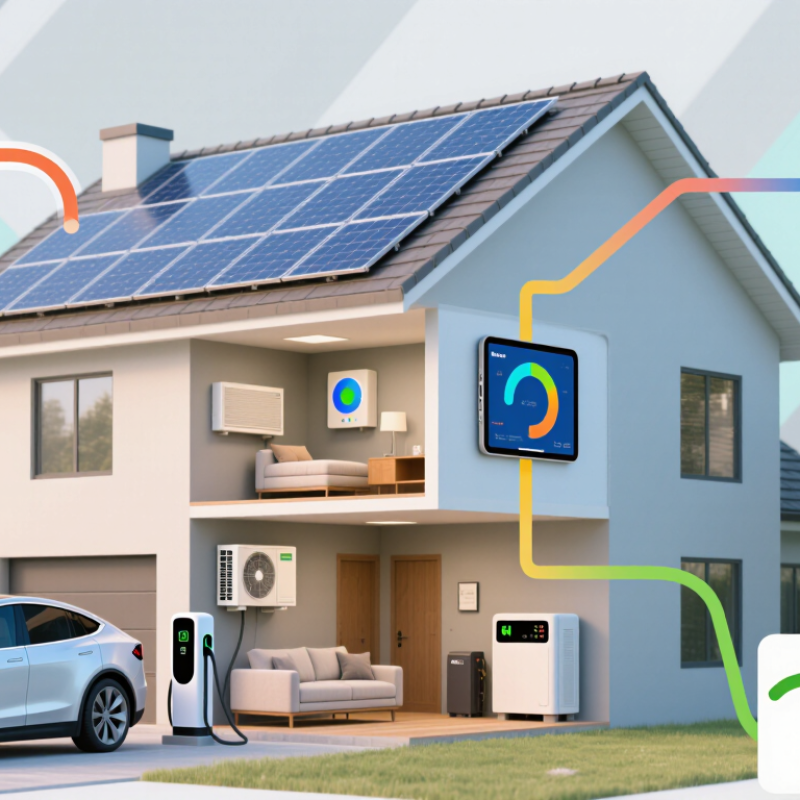
A home energy management system, or HEMS, connects household energy devices through one control platform. It gathers data from smart meters, solar inverters, batteries, heating equipment, and electric vehicle chargers. The dashboard can show current consumption, daily costs, and unusual usage patterns. This turns invisible energy waste into something homeowners can inspect.
A HEMS can shift flexible loads to cheaper or cleaner hours. For example, it may charge a vehicle after midnight or heat water before a peak-price period. Some systems use weather forecasts and solar production estimates to adjust appliances automatically. Others provide alerts when a refrigerator runs too long or standby consumption increases. A useful system should also support manual controls. Automation is helpful, but household routines are not perfectly predictable.
Installation quality matters as much as software features. An energy professional should check wiring, device compatibility, electrical capacity, and local meter requirements. Poor configuration can create confusing data or unnecessary battery cycling. Privacy also deserves attention, because detailed energy patterns can reveal when people are home. I would not treat every forecast as fact; solar output and tariffs can change quickly. Reviewing monthly reports against actual bills remains a sensible habit. The system may save money, but only when its recommendations fit the home’s equipment, climate, and daily behavior.
Key Features to Compare Across Global Markets
Global buyers should compare energy management systems by measurable functions, not attractive dashboards. The seven strongest options typically combine smart meters, solar controls, battery scheduling, and appliance automation. Check whether each system supports local voltage standards, grid rules, and regional communication protocols. A device that works in Berlin may need different settings in Nairobi or São Paulo. Small details matter.
When testing a system, I watch how quickly it responds to a cloudy afternoon or a sudden tariff change. Useful platforms show live consumption, historical patterns, and clear alerts when data becomes incomplete. They should also explain automated decisions in plain language.
Interoperability is essential; open connections can reduce replacement costs when equipment changes. Compatibility claims need verification. Ask for documented integrations, firmware support periods, and independent security testing. Privacy deserves equal attention, especially when household data crosses national borders.
Global buyers should compare installation requirements, maintenance access, language support, and local technical expertise. A low purchase price can become expensive after customs fees, subscription charges, or specialist repairs. Estimate savings under several seasons, not one optimistic month.
I would also test the backup mode before trusting it during an outage. Test it first. No system performs perfectly. Some forecasts fail when weather changes sharply, and users may need to correct schedules manually. That limitation should be disclosed, not hidden behind polished software.
Reliable purchasing decisions come from verified specifications, realistic payback assumptions, and support that remains available after installation.
Seven Leading Home Energy Management Systems for Global Buyers
For global buyers, the seven leading home energy management systems are not identical products. They represent seven practical approaches: smart-meter dashboards, appliance load controllers, solar-battery optimizers, electric-vehicle charging managers, heat-pump coordinators, demand-response gateways, and whole-home energy platforms.
The International Energy Agency reports that buildings consume about 30% of global final energy. That figure makes household controls commercially important, not merely convenient. A smart-meter dashboard reveals evening peaks. An appliance controller can delay water heating by two hours. Solar and battery software can shift daytime generation into nighttime use. EV and heat-pump controls add larger flexible loads, but only where local grids and tariffs support them.
The best choice depends on evidence, not impressive screens. Buyers should check compatibility with regional voltage, meters, solar inverters, batteries, and communication standards. The U.S. Department of Energy notes that connected controls can reduce heating and cooling consumption, although results vary by home, climate, and occupant behavior. Privacy also needs attention. The IEA’s digitalisation research highlights the growing importance of cybersecurity and data governance in connected energy systems.
Performance is imperfect. Forecasts can miss cloudy weather, occupancy changes, or sudden price changes. A system that works well in a cool apartment may perform poorly in a humid villa. Independent monitoring, transparent savings calculations, local installer support, and manual override controls deserve more weight than artificial intelligence claims. The strongest systems make energy visible, automate routine decisions, and remain understandable when something goes wrong.
Installation, Compatibility, and Regional Requirements
7 Best Home Energy Management Systems for Global Buyers
Choosing a home energy management system requires more than comparing features. Installation conditions vary widely between regions. Homes may use different voltages, frequencies, wiring standards, and meter designs. Confirm these details before purchasing any controller, sensor, battery, or solar interface.
Compatibility also depends on local grid rules. Some systems require certified inverters, approved communication protocols, or utility permission. A qualified electrician should inspect the main panel, grounding, circuit capacity, and internet connection. In humid or hot climates, equipment may need suitable enclosures and ventilation. A neat compatibility chart can still mislead when older wiring or unusual meters are involved. Real site conditions matter more than a specification sheet.
Tips: Ask for regional certification documents. Check whether installation requires a permit. Request a written compatibility test. Measure twice. Keep records of firmware versions and electrical changes. Also review data privacy terms, especially when energy information is stored outside your country. Local support is valuable, but response times can differ across time zones. Buyers should also compare warranty coverage, replacement procedures, and installer training. I would not assume the cheapest installation is the safest choice. Some estimates exclude panel upgrades, network equipment, or inspection fees. Those omissions can change the final cost significantly.
How to Select the Best System for Your Home
Choosing the best home energy management system starts with your home’s actual energy habits, not a colorful app. Review twelve months of electricity bills, then note major loads such as heating, cooling, water heating, and electric vehicles. A system should measure these loads accurately and explain unusual spikes clearly. Simple dashboards matter. If family members cannot understand the data, savings may disappear.
Check compatibility with your meter, solar equipment, battery, and local electrical standards. Ask whether the system supports time-of-use tariffs, demand control, and backup power during outages. Confirm installation requirements, maintenance costs, warranty terms, and access to trained local technicians. Data protection also deserves attention: ask where usage data is stored and how account access is secured. A cheaper system may become expensive if it requires proprietary replacements or costly subscriptions.
Test the system before committing, when possible. Walk through its alerts on a phone and inspect the controls from a weak internet connection. No system is perfect. Some predictions fail during unusual weather, and automated settings can inconvenience a household. Keep manual controls available. Select a platform that provides transparent reports, exportable data, and regular software support across your country. A reliable choice should reduce daily decisions, while still letting you question its recommendations.