What is Modern Energy Solutions for Global Buyers?
In today's rapidly evolving landscape, "modern energy solutions" are becoming essential for global buyers. Experts emphasize the importance of sustainable energy with innovative approaches. Dr. Emily Green, a renowned authority in renewable energy, recently stated, "The future relies on how we harness modern energy solutions today." Her words highlight the urgency of transforming our energy systems.
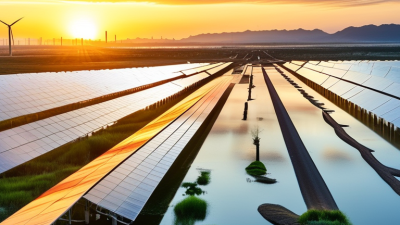
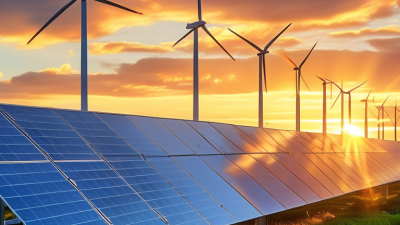
The adoption of modern energy solutions involves integrating technology with sustainable practices. Solar panels, wind energy, and energy storage systems are crucial components. These innovations aim to reduce carbon footprints while enhancing energy efficiency. However, challenges remain. Infrastructure updates and financial investments can be barriers to implementation.
Buyers must navigate a complex energy market. The solutions are not one-size-fits-all. Flexibility and adaptation to local conditions are vital. While many see the bright side of modern energy solutions, we must also reflect on potential pitfalls. Are we ready for the necessary changes? Engaging with industry experts is key to understanding the path forward in this dynamic field.
Understanding Modern Energy Solutions: An Overview
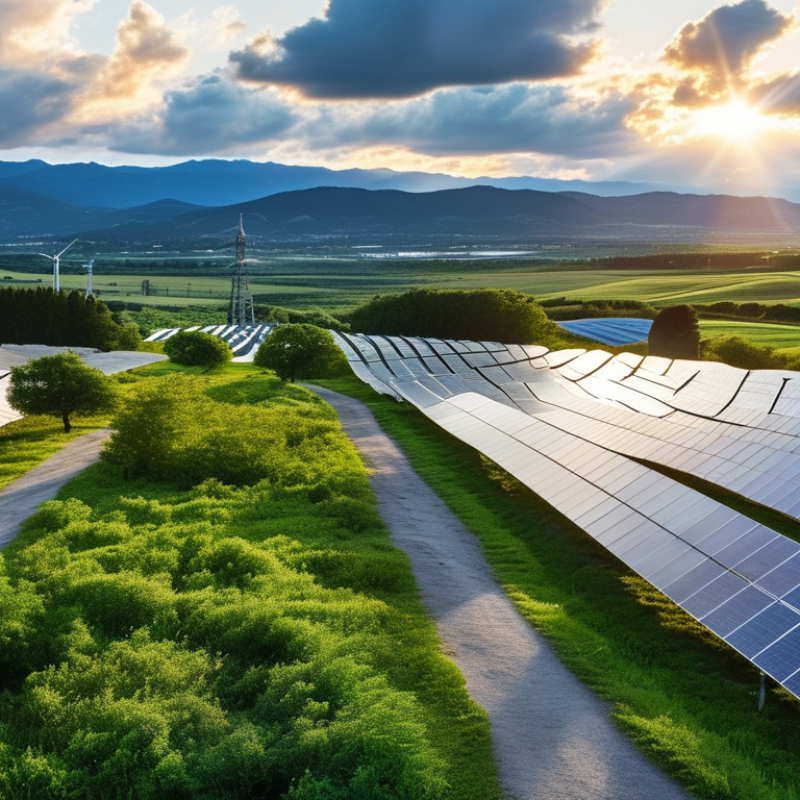
Modern energy solutions are rapidly transforming the global landscape. Today's buyers demand sustainable and efficient options that align with economic and environmental goals. According to the International Energy Agency, renewable energy sources accounted for over 29% of global electricity generation in 2021. This number is projected to rise significantly, reflecting a shift towards cleaner energy sources.
A key aspect of these modern solutions is energy efficiency. Reports indicate that improving energy efficiency can reduce global energy demand by up to 40% by 2040. Technologies such as smart grids and energy storage systems play a crucial role in this transition. However, many buyers still grapple with high upfront costs and complex integration challenges.
Tip: When considering modern energy solutions, evaluate long-term savings against initial investments.
Investing in renewables often requires a mindset shift. Data from the World Resources Institute emphasizes the importance of local context. Each region has unique energy needs and resources. Many companies face obstacles, such as lack of skilled workers or insufficient infrastructure. Recognizing these limitations is essential for successful implementation.
Tip: Conduct thorough research to understand regional energy policies.
In conclusion, navigating the landscape of modern energy solutions requires informed choices. Buyers must balance efficiency, sustainability, and practicality. This complex decision-making process underlines the growing need for expertise in the energy sector.
Key Innovations in Renewable Energy Technologies
The future of energy solutions relies heavily on innovative renewable technologies. Solar panels and wind turbines have become common sights across landscapes. However, not all installations are created equal. Efficiency can vary greatly based on technology and placement. Some setups fail to harness maximum energy due to poor positioning or local climate factors.
Consider the rise of energy storage systems. These technologies are crucial for balancing supply and demand. Batteries allow for the storage of excess energy, providing a reliable power source when renewable options are less productive. Investing in quality storage solutions can significantly enhance the efficacy of renewable projects.
Tips: Always evaluate local resources before installing renewables. Conduct thorough research on energy storage options that fit your needs. Remember, transitioning to modern energy solutions is a continuous learning process. Each project presents its challenges and opportunities for growth. Embracing these technologies requires adaptability.
What is Modern Energy Solutions for Global Buyers? - Key Innovations in Renewable Energy Technologies
| Innovation |
Description |
Benefits |
Global Impact |
| Solar PV Technology |
Photovoltaic cells that convert sunlight directly into electricity. |
Reduces electricity bills, renewable source, low maintenance. |
Widely adopted globally, contributing significantly to renewable energy capacity. |
| Wind Turbines |
Devices that convert wind energy into mechanical power or electricity. |
Sustainable energy source, reduces reliance on fossil fuels. |
Helps reduce greenhouse gas emissions on a global scale. |
| Energy Storage Systems |
Technologies that store energy for later use, enhancing system reliability. |
Improves grid stability and energy availability. |
Facilitates integration of renewable energy sources into power grids. |
| Geothermal Heating & Cooling |
Utilizes the earth's stable temperature to heat and cool buildings efficiently. |
Energy-efficient and sustainable for climate control in buildings. |
Reduces energy consumption and carbon footprint in residential sectors. |
| Hydrogen Fuel Cells |
Convert chemical energy from hydrogen into electricity, emitting only water vapor. |
Potentially zero-emission power source, versatile applications. |
Promotes clean transportation solutions and energy systems globally. |
Economic Benefits of Modern Energy Solutions for Global Buyers
Modern energy solutions offer significant economic benefits for global buyers. These innovations streamline energy consumption, reducing costs in the long run. Businesses can cut operational expenses with smarter energy management systems. Efficient energy usage leads to savings, boosting profits and enhancing competitiveness.
Incorporating renewable solutions can stabilize energy prices. This approach helps mitigate risks associated with fossil fuel volatility. By diversifying energy sources, companies can access stable, sustainable energy. Investments in modern technology are crucial, though some may face initial challenges. Transitioning can be complex, requiring a shift in mindset and approach.
Moreover, integrating these solutions can foster job creation. A skilled workforce is needed to maintain and implement new systems. This shift not only benefits the buyer but also the local economy. However, barriers remain, including regulatory hurdles and initial costs. Addressing these obstacles requires collaboration among stakeholders.
Challenges and Considerations in Implementing Modern Energy Solutions
Implementing modern energy solutions poses significant challenges. Many global buyers must navigate complex regulations. Each country has unique laws governing energy procurement. Understanding these rules is crucial for successful implementation. Additionally, local infrastructure varies greatly. In some regions, outdated systems impede progress. This inconsistency can lead to frustration and delays.
Another consideration is cost. Investing in new energy technologies can be daunting. Companies often face high initial expenditures. The return on investment may take years. Buyers must evaluate if the long-term benefits justify these costs. Stakeholders should also consider the environmental impact. While modern solutions can be cleaner, not all options are equally effective. There is often a gap between expectations and reality.
Moreover, buyer education and training are vital. Employees need to understand new systems. Without proper training, even the best technologies can fail. Resistance to change is common in established industries. This cultural factor can hinder progress. It is important to acknowledge these challenges. Each obstacle offers a chance for growth and improvement. A reflective approach can lead to more effective solutions.
Energy Consumption by Source Type (2022)
Future Trends in Global Energy Solutions and Their Impact
The future of global energy solutions is evolving rapidly. Innovative technologies are emerging daily. These developments are shaping how energy is produced and consumed worldwide.
Countries are increasingly investing in renewable energy sources. Solar, wind, and hydroelectric power are leading this shift. Yet, challenges remain. Not every region can easily access these resources. Some still depend on fossil fuels, illustrating a need for balanced transitions.
Tip: Research local energy policies. Understand how they could affect your choices.
Energy efficiency is becoming a priority. Smart grids offer real-time data, optimizing energy use. Consumers can play a crucial role in this movement. Simple actions, like using energy-efficient appliances, can have significant impacts.
Tip: Monitor your energy consumption regularly. Small changes can lead to big savings.
Despite all advancements, the path to sustainable energy is not perfect. Technological inequities exist. Some populations face barriers to accessing clean energy solutions. The global community must work together to address these disparities. Conversations must continue about fair energy access for all.